
What the school receives
A trip is a run of decisions the school makes, and each person involved needs something different. Every document is written for the person who uses it and names the decision behind it.
Tier 3 is what travels with the group and what follows the trip: the Trip Leader Card, the Chaperone Briefing and Pocket Emergency Card, and the Post-Trip Feedback Report.
Approving the trip
The record the school files and the Trip Risk Working File the school reviews, completes, and approves.
- School Trip RecordSchool
- Trip Risk Working FileSchool
Telling families
What families need to know about the days away, in the school's own name.
- Family Trip BriefFamilies
Preparing the leader and chaperones
The card the trip leader carries and the briefing the chaperones read: the contacts, the day's plan, and the escalation path the school agreed.
- Trip Leader CardTrip leader
- Chaperone Briefing and Pocket Emergency CardChaperones
Connecting the trip to learning
The purpose of each day, carried to the place and the hour it happens.
- Educational JourneyTeachers
- Student Journey GuideStudents
Getting a student to care
The emergency departments for each place, listed with their drive times and mapped before the group leaves; where a leg is by boat or on foot, the travel time.
No document of its own: the emergency departments appear in the Trip Risk Working File, the emergency plan on the Trip Leader Card, and the pocket card. The school confirms which one the group uses.
Improving next year's trip
A short report after the trip, so next year's planning starts from what happened on this one.
- Post-Trip Feedback ReportAfter the trip
Outdoor trips add a day-by-day conditions report (daylight and cover; on the water, tide and exposure) and route pages on the Trip Leader Card.
Every document is built to two paper sizes: US Letter (8.5 × 11 inches) and A4 (210 × 297 mm). Each trip page lists both editions of every document.
Worked trips
Each worked trip shows the documents prepared for one trip, decision by decision, with every document open in full.

City · Washington, DC
Washington, DC
Horizon Ridge School of Cleveland · Apr 14–18, 2027
A five-day eighth-grade trip by charter bus.
US Letter · A4
See the documents →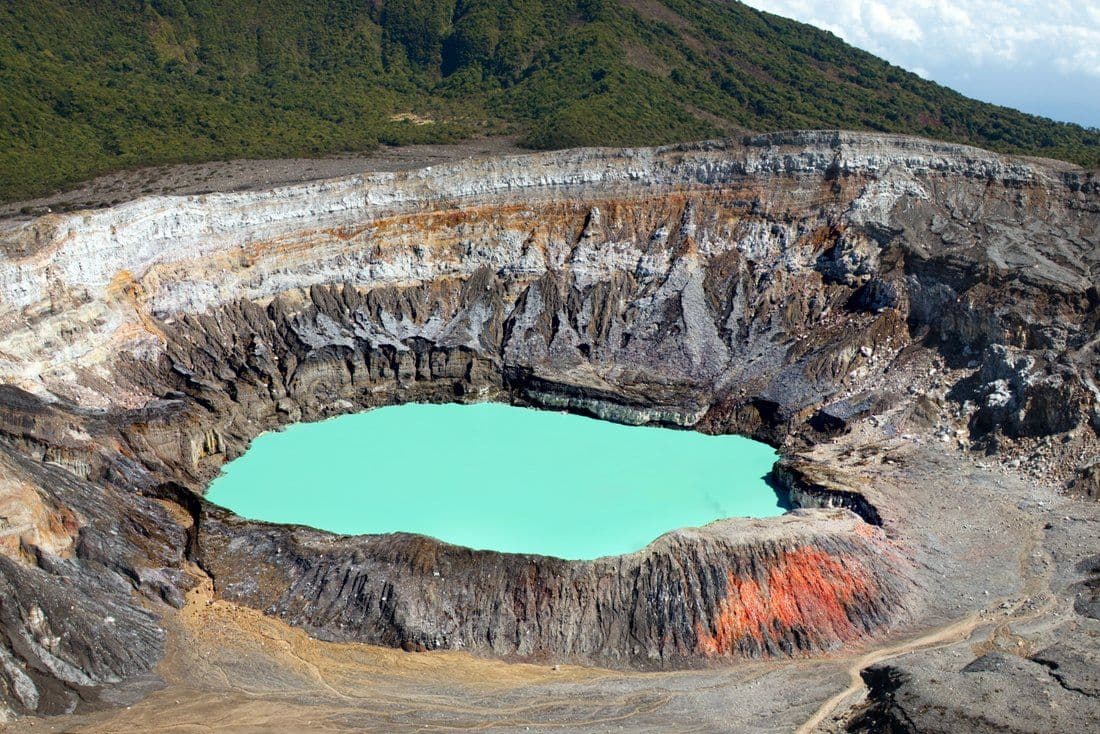
Service · Central America
Costa Rica
Horizon Ridge School of Cleveland · Mar 20–28, 2027
A nine-day tenth-grade service and ecology trip, by air through Miami, then by minibus and boat.
US Letter · A4
See the documents →
Culture · Europe
Italy
Horizon Ridge School of Cleveland · Jun 12–22, 2027
An eleven-day language and culture trip to Rome, Florence, and Venice.
US Letter · A4
See the documents →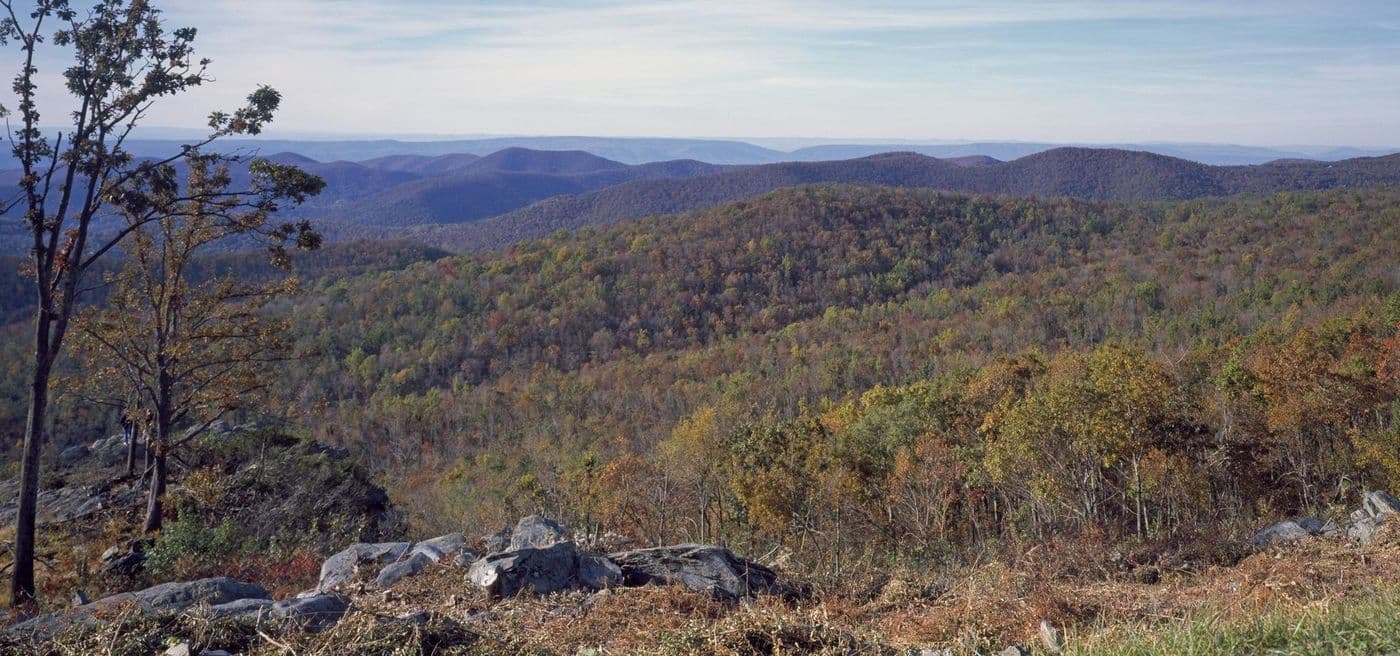
Outdoor · Virginia
Shenandoah National Park
Horizon Ridge School of Philadelphia · Oct 4–8, 2027
A five-day tenth-grade walk on the Appalachian Trail, with the coach on Skyline Drive all week.
US Letter · A4
See the documents →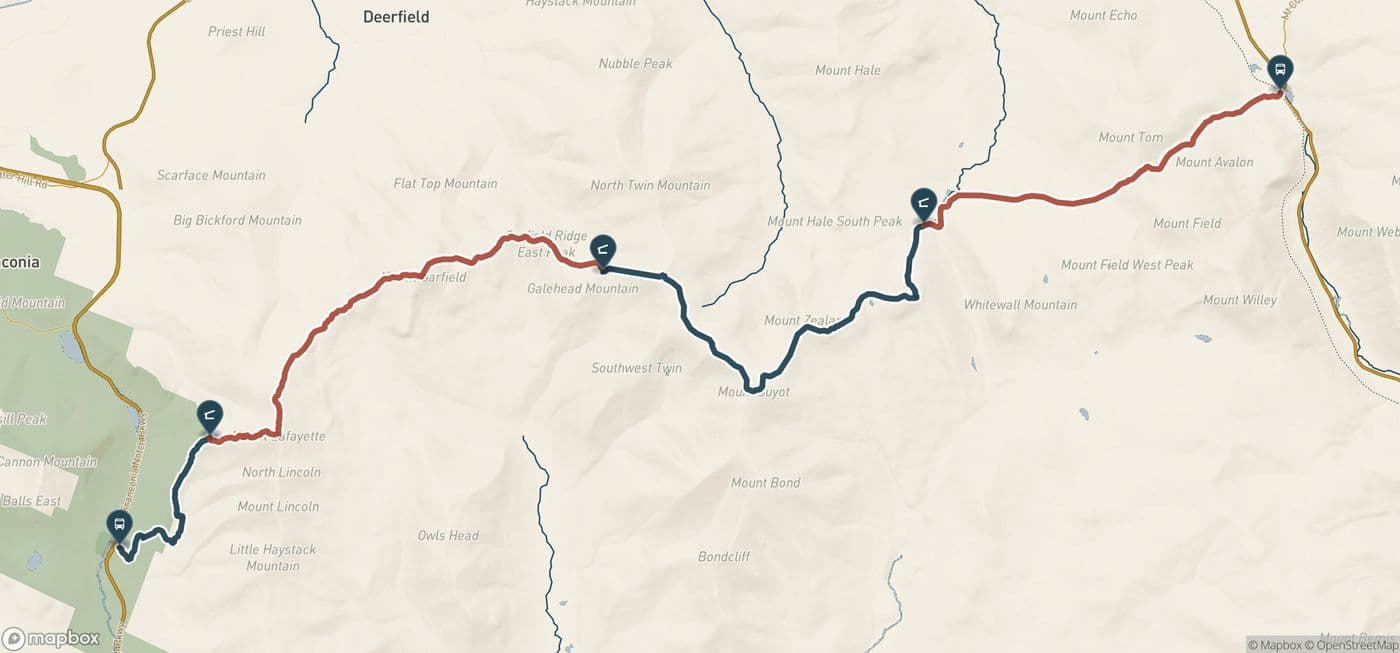
Outdoor · New Hampshire
White Mountains
Tideline School · Sep 7–10, 2027
A four-day ninth-grade hut-to-hut trek on the Appalachian Trail.
US Letter · A4
See the documents →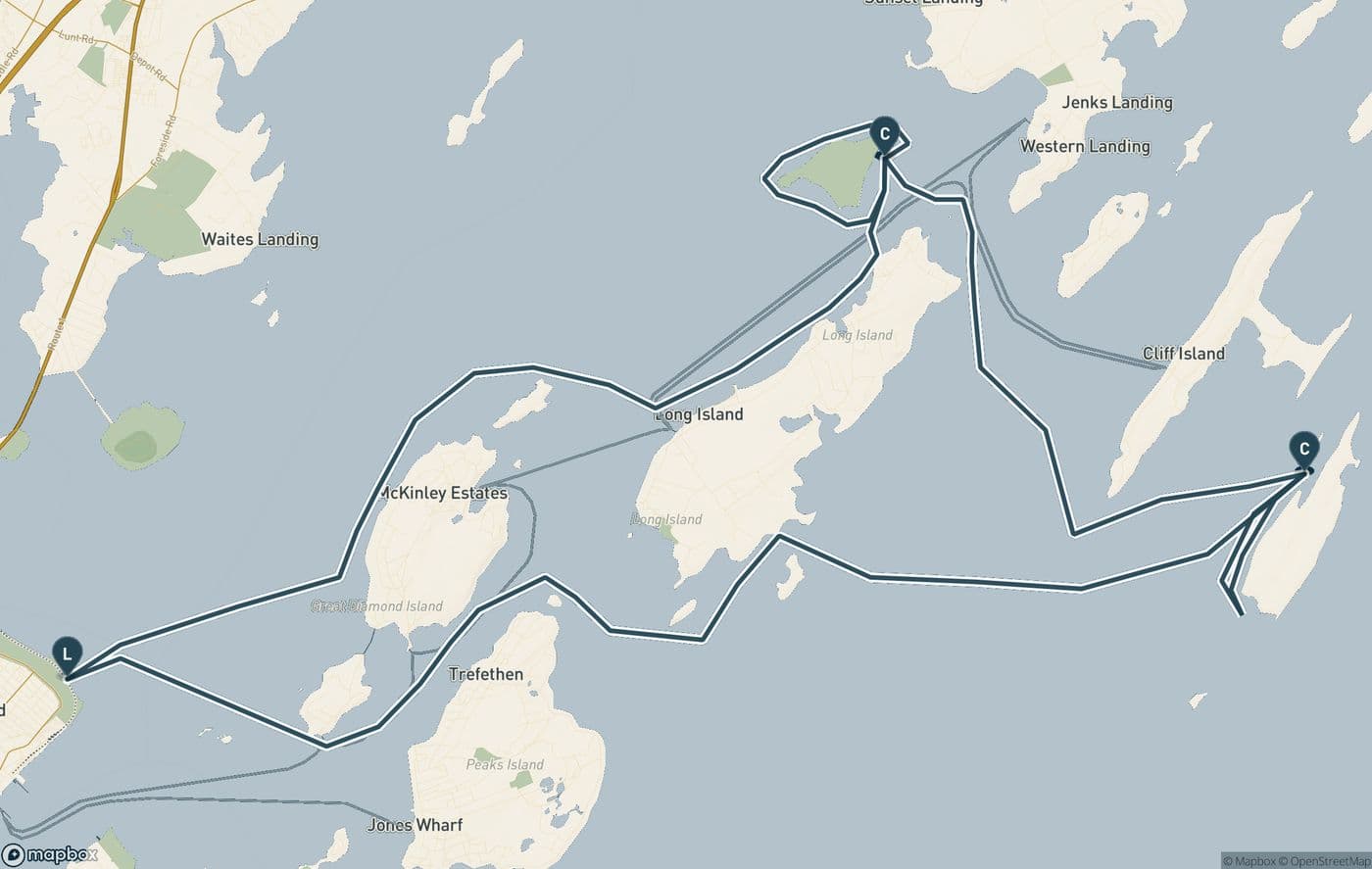
Outdoor · Maine coast
Casco Bay
Tideline School · Aug 16–20, 2027
A five-day tenth-grade sea kayaking journey on Casco Bay.
US Letter · A4
See the documents →Horizon Ridge School of Cleveland is a fictional school; its location is shown for illustrative purposes.
Horizon Ridge School of Philadelphia is a fictional school; its location is shown for illustrative purposes.
Tideline School is a fictional school; its location is shown for illustrative purposes.
How it works
The school’s trip lead emails ETI360 the itinerary, the provider’s documents, and the school’s trip policy. ETI360 adds what the group needs to know along the way, such as venue entry rules and the emergency departments for each place with their drive times, and returns the documents in the school’s name and branding, each in a US Letter edition and an A4 edition. The school approves the trip.
We book through a provider. What does this add? The provider’s documents are the starting point. ETI360 brings them together with the school’s policy and the itinerary, adds what the group needs to know about each place, and prepares the file the school reviews and the card the trip leader carries. Nothing the provider does is replaced.
When the program changes. A revised date, hotel, transport movement, route or activity can affect several documents. ETI360 updates the confirmed source information and rechecks information that depends on the changed plan.
Student data. ETI360 does not receive student records or personally identifiable student information. Trip files name places, dates, providers, and staff roles. The school’s obligations for student data stay with the school.
Who decides
The school and any provider it works with retain responsibility for decisions, supervision, live assessments, and final approval.
The Trip Risk Working File is written for the school to review, complete, and approve. Its ratings are a starting point, its review lines are for the school’s own controls, and the trip leader makes the live assessment on the day.
Who does the work
ETI360 was founded by Dan Skimin and Seb Wong. Dan Skimin, Principal Consultant, spent 16 years as an international school athletics director and trip coordinator, coordinating 600 programs for 12,000 students. Seb Wong, Senior Consultant, is part of every engagement.